
Apple is preparing a new round of upgrades for its AI platform, Apple Intelligence, with early reports pointing to four major enhancements planned for iOS 27.
The details, based on a mix of supply chain chatter and developer-side observations, suggest Apple is moving beyond its cautious first rollout toward deeper system-wide integration.
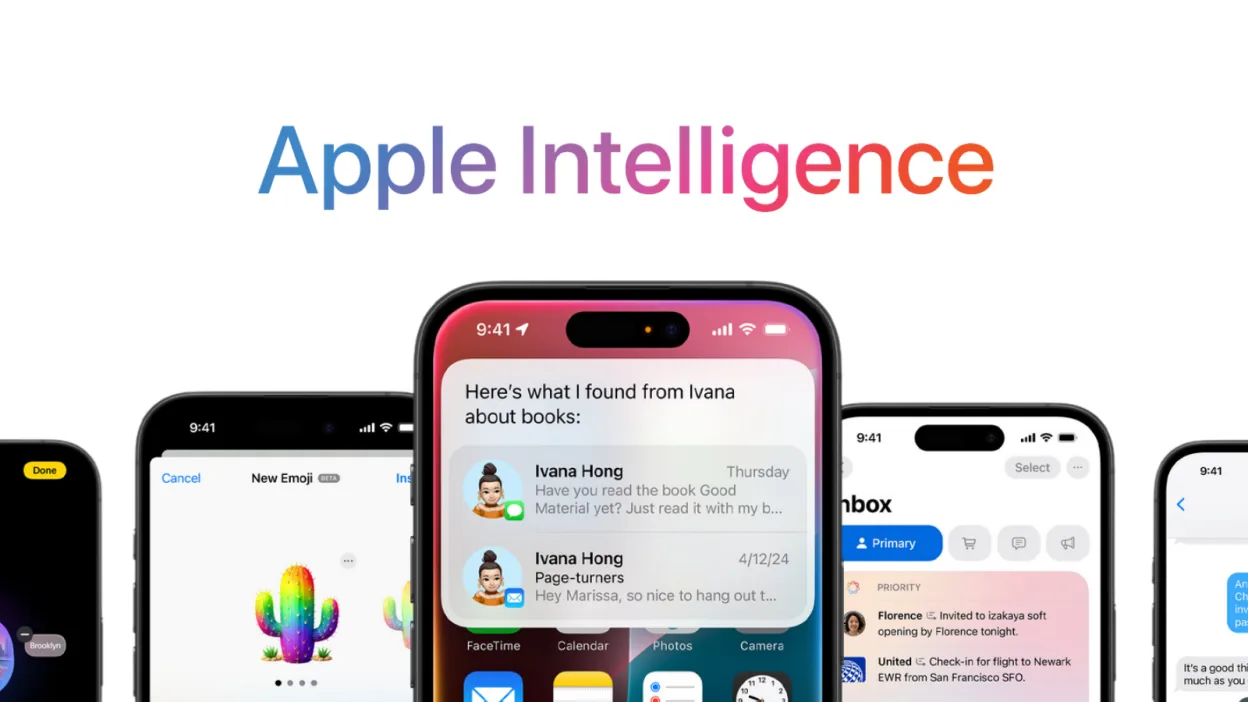
Apple Intelligence was first introduced alongside iOS 18 with features focused on writing assistance, notification summaries, and image generation.
At the time, Apple framed its approach as “AI for the rest of us,” emphasizing privacy and on-device processing.
In its official announcement, the company said, “Apple Intelligence draws on personal context to deliver intelligence that is useful and relevant,” positioning it as a tightly integrated layer across iPhone, iPad, and Mac.
1. Smarter Siri With Context Awareness
One of the most anticipated changes centers on Siri. Internal testing leaks and reports from developers indicate Apple is working on a more context-aware version of Siri that can track conversations across multiple requests and apps.
The upgrade is expected to address long-standing limitations in Siri’s ability to handle multi-step commands. Instead of resetting after each query, the assistant may retain context, enabling follow-up actions without repeating instructions. This aligns with Apple’s earlier statement that “Siri will be able to take actions across apps on your behalf,” though much of that functionality has yet to fully materialize in current releases.
2. Expanded On-Device AI Processing
A second upgrade involves broader on-device AI capabilities. Apple’s current architecture splits tasks between local processing and secure cloud computing via its Private Cloud Compute system. Sources familiar with the matter indicate iOS 27 could shift more workloads directly onto devices, particularly newer iPhones powered by advanced neural engines.
This move would reduce latency and strengthen Apple’s privacy stance, which has become a central differentiator against competitors such as Google and OpenAI. It may also expand offline functionality for features like text generation and summarization.
3. Deeper Third-Party App Integration
Developers are expected to gain expanded access to Apple Intelligence through updated APIs. Early code references suggest tighter hooks into system apps and third-party software, allowing AI-driven actions to operate across a wider range of services.
This could enable use cases such as automatically organizing files, generating contextual replies inside messaging apps, or performing actions within productivity tools without switching contexts. Apple has so far limited external access to maintain control over performance and privacy, so this shift would mark a notable change in strategy.
4. Enhanced Personalization Across the System
The fourth upgrade focuses on personalization. Apple Intelligence currently uses on-device data to tailor suggestions, though its scope remains relatively narrow. Reports indicate iOS 27 may expand this by incorporating more signals from user behavior, including app usage patterns, communication habits, and scheduling data.
The goal appears to be a more proactive system that anticipates needs rather than reacting to prompts. This could surface recommendations, automate routine tasks, and refine notifications based on relevance.
Rollout Timeline and Uncertainty
Apple has not publicly confirmed these specific upgrades or the iOS 27 roadmap. The company typically unveils major software changes at its annual developer conference, WWDC, which takes place in June.
Much of the current information comes from early-stage leaks and developer findings, meaning features could change or be delayed before release. Apple has already staggered parts of its Apple Intelligence rollout across multiple updates, indicating a phased approach remains likely.
The expected direction suggests Apple is doubling down on its privacy-first AI model while addressing gaps in capability that became apparent after its initial launch.